
Glenda is a very intelligent young woman, but she had a problem. Being in the top of her class in high school and university, she developed a high degree of self-confidence. And then as a CA in a large financial firm, she quickly climbed up the corporate ladder. But along the way, she also developed a strong sense of perfectionism; and she knew it, as this created other personal issues.
She eventually decided to take up skiing and joined a local ski club. Starting as a beginner in Step 1, being a perfectionist, she quickly moved up to Step 7. This level is known to be a difficult one to advance from and Glenda was getting frustrated. She watched her instructors very closely, who in her mind were making perfect turns. But it wasn’t happening with her… she just couldn’t make that leap to Step 8. The harder she tried; the more mistakes she made. She was just fighting herself.
Then Glenda heard about a new ski program in her club, called “Mindful Skiing”, which she joined, thinking, “Why not?”. In this class, she learned to slow down… body and mind, and think about what her body is actually doing. She learned to forget about all that happened in the past or what might happen on her next run and just focus on the present. And she learned to meld mind with body and to leave perfectionism behind.
Step 8? Maybe; maybe not; but she felt better about her skiing and was suddenly having more fun, and really—that’s all that matters!
So, to quote author Paul Arden:
“Too many people spend too much time trying to perfect something before they
actually do it. Instead of waiting for perfection, run with what you got, and
fix it along the way.”

Another personal example of perfectionism gone awry is myself as a young boy playing hockey. Being a Canadian boy, I loved hockey passionately and tried my very best to be perfect. That never happened; I’d just fall on the ice, or fanned my shot, or whatever.
And there were no hockey mom’s or dad’s back then to drive me. I had to walk every winter Saturday morning in the dark; almost 2 km to an outdoor rink (but it did have artificial ice) just carrying my skates and stick. All the other equipment was worn. Sometimes hockey felt like a huge trial. I was frustrated that I couldn’t be a perfect hockey player.
Then eventually, at a very young age, around 12, I decided to slow down and concentrate on something I thought I could do – play defence. Slowing down my skating and not having to score a lot of goals changed my whole outlook on hockey. Getting as far as a regular defenceman in my Bantam league was a success for me.
So, I’ve found that perfectionism can lead to emotional distress, anxiety and low esteem. Back to Paul Arden… “run with what you’ve got, and fix it along the way”. Making mistakes and then working on them and fixing them are how we learn.
This story was developed during a short course by a philospher that I follow; Lawrence Yeo and his website moretothat.com . This is a photography blog, but I don’t have any photos for this story. So you’ll just have to look at some from my latest from 52frames.com.
Oh, and just for a quick update on my knee surgery… last week of February I skiied some green runs at Blue Mountain… no Advil, no knee brace and no pain!
[Click on any photo for the slideshow. Please leave comments at the bottom of the page.]

Week 26: Fluid

Week 27: Frame Within a Frame
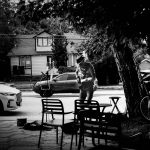
Week 28: In the Style of Faizal Westcott

Week 29: Something New
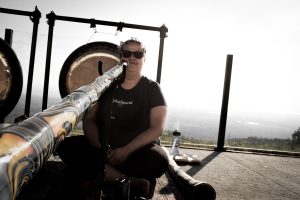
Week 30: Unusual Crop

Week 31: Colour Temperature
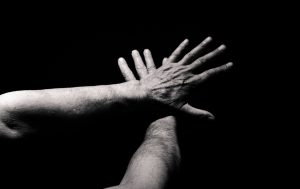
Week 34: Low Key

Week 36: Shoot From Above
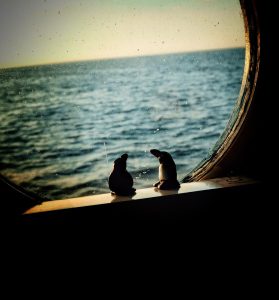
Week 38: One Light Source

Week 41: Time

Week 42: Shadow

Week 44: Your Worst Nightmare
March 2, 2026 at 2:40 pm
Len thats great your skiing again! No pain, no pills and no brace but not no beer at apres!
March 2, 2026 at 4:19 pm
Dave, I was skiing with my brother and yes… we did have beer and whisky
March 2, 2026 at 3:05 pm
You’re right, Len. Perfectionism can be a stumbling block, and can lead to frustration. And we all know frustration leads nowhere. Excellence. That’s what we should be shooting for. There’s an advertising term: shoot for the moon. You may not get there, but you’re not going to come up with a handful of mud, either.
March 2, 2026 at 4:21 pm
Good one Bern. Personally, I rely on my curiosity and exploration. And then just take it as it comes.
March 2, 2026 at 6:22 pm
Hey Len – love the short anecdote about Glenda, and I love that spectrum you included in this piece!
Your realization of “slowing down” when it comes to hockey reminds me of the Daoist concept of wu-wei, or “effortless action”. It’s so interesting that doing less often produces a favorable outcome, as there’s no sense of desperation that emerges. This is something I think often about in the context of my own work too.
Thanks for sharing, and I’m honored that Story Study helped to inspire this piece!
March 2, 2026 at 6:30 pm
Lawrence, it’s funny that you should mention the Daoist concept, as I’m just getting ready for my Tai Chi session here in Collingwood. And thanks again for the course and all your help.
March 2, 2026 at 7:03 pm
Len,
Happy to hear you are back skiing and pain free.
Enjoy the rest of the season!
Len
March 2, 2026 at 9:06 pm
Thanks Len, probably go just on more time, tomorrow.
March 2, 2026 at 10:41 pm
Len, I’m glad I’m not a perfectionist. Congratulations on getting out on the snow and taking it easy!
March 3, 2026 at 2:32 am
Thanks Cynthia
March 3, 2026 at 9:46 pm
Hi Len
I think the information in your story would have been very beneficial whilst learning to ski. Always trying to strive and perfect does not allow you to just enjoy the flow.
And interestingly while skiing the other day with a much better skier he told me to slow down to ski more effortlessly!
March 4, 2026 at 11:48 am
Peter, the 1st story has an element of truth. Peg had a mindfulness skiing program a few years ago, which hit on exactly this. Slow down, maybe have a look at the scenery, enjoy the moment, and then just ski!
March 7, 2026 at 5:55 pm
Glad to hear you got out skiing and no pain.
March 7, 2026 at 6:37 pm
Thanks John, Did you just come back from Europe? I remember something about you and Trish going away.